Ragdoll
The Ragdoll is a large cat known for being docile, calm, affectionate.
- Size
- large
- Weight
- 10–20 lbs
- Life span
- 12–17 yrs
- Coat
- long silky semi-double
- Shedding
- moderate
- Energy
- low
Health to watch for
Common breed predispositions — not a diagnosis. Always consult your vet.
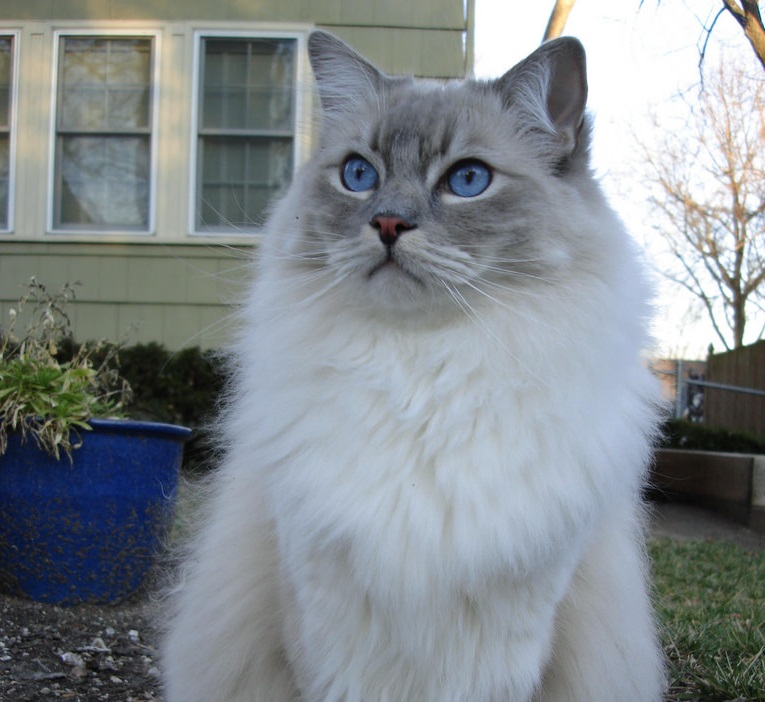
For many owners, the biggest challenge of caring for a Ragdoll cat is managing their tendency to gain weight, which can lead to costly health issues like obesity and diabetes. Ragdolls are large, floppy, and love to lounge around, making it essential to balance their love of comfort with regular exercise and a healthy diet. Their silky, semi-double coat is beautiful but requires regular grooming to prevent hairballs and matting.
Ragdolls are known for their docile, calm, and affectionate nature, making them a perfect fit for families with children or for people who want a gentle lap cat. However, their low energy level means they need careful exercise and enrichment to stay happy and healthy.
With a lifespan of 12-17 years, Ragdolls are a long-term commitment, and owners need to be prepared to provide regular veterinary check-ups, a balanced diet, and plenty of love and attention to ensure their cat lives a happy and healthy life.
Grooming Needs
Ragdolls have a moderate grooming need due to their long, silky coat. Regular brushing is essential to prevent hairballs and matting, and to reduce shedding. A good quality brush or comb is necessary to gently work out tangles and prevent breakage. It's also crucial to check for signs of hairballs, which can be a common health issue in Ragdolls.
Exercise and Enrichment
Despite their low energy level, Ragdolls still need regular exercise and mental stimulation to stay happy and healthy. Owners can provide toys, scratching posts, and climbing structures to encourage physical activity and play. Interactive toys and puzzle toys can also help keep their minds active and prevent boredom.
Feeding Considerations
Ragdolls are prone to weight gain, so it's essential to monitor their food intake and ensure they're getting a balanced diet. Owners should choose a high-quality cat food that's rich in protein and low in carbohydrates, and consider a weight management program if necessary. It's also crucial to provide fresh water at all times and to limit treats to prevent overfeeding.
Health Considerations
Ragdolls are prone to several health issues, including HCM (heart), bladder stones, and obesity. Regular veterinary check-ups are essential to monitor their health and catch any potential issues early. Owners should also be aware of the signs of these health issues, such as difficulty breathing, increased thirst, or changes in appetite or behavior.
Cost and Commitment
Owning a Ragdoll cat is a significant financial commitment, with estimated annual costs ranging from $500 to $1000. Owners should also consider the cost of regular veterinary check-ups, preventative care, and potential health issues. With proper care and attention, Ragdolls can live a long and happy life, making them a worthwhile investment for many owners.
Ragdoll FAQ
How often should I groom my Ragdoll?
Ragdolls require regular grooming to prevent hairballs and matting. It's recommended to brush their coat at least 2-3 times a week, and daily during shedding season. This will help reduce shedding and prevent hairballs.
Why is my Ragdoll gaining weight?
Ragdolls are prone to weight gain due to their love of comfort and low energy level. To manage their weight, owners should monitor their food intake, ensure they're getting regular exercise, and limit treats. It's also essential to choose a high-quality cat food that's rich in protein and low in carbohydrates.
Can Ragdolls be left alone?
Ragdolls are social cats and prefer human companionship. While they can be left alone for short periods, it's not recommended to leave them alone for extended periods. Owners should provide plenty of toys, scratching posts, and climbing structures to keep them occupied, and consider hiring a pet sitter or asking a friend to check in on them if they're away for an extended period.
How often should I take my Ragdoll to the vet?
Ragdolls require regular veterinary check-ups to monitor their health and catch any potential issues early. It's recommended to take them to the vet at least once a year, and more often if they're prone to health issues or have a pre-existing condition.
Can Ragdolls be trained?
Ragdolls are intelligent cats and can be trained with positive reinforcement techniques. They respond well to clicker training, rewards, and praise, and can learn basic commands like 'sit' and 'stay'. However, they can be stubborn at times, so patience and consistency are key.
Top picks for Ragdolls
- Best Wet Food for Ragdolls →
- Best Dental Treats for Ragdolls →
- Best Dry Food for Ragdolls →
- Best Treats for Ragdolls →
- Best Litter for Ragdolls →
- Best Scratching Posts for Ragdolls →
- Best Litter Boxes for Ragdolls →
- Best Cat Trees for Ragdolls →
- Best Brushes for Ragdolls →
- Best Beds for Ragdolls →
- Best Toys for Ragdolls →
- Best Water Fountains for Ragdolls →
- Best Harnesses for Ragdolls →
- Best Nail Clippers for Ragdolls →
- Best Carriers for Ragdolls →
- Best Calming Aids for Ragdolls →