Siberian
The Siberian is a large cat known for being affectionate, playful, adventurous.
- Size
- large
- Weight
- 8–17 lbs
- Life span
- 11–18 yrs
- Coat
- long triple
- Shedding
- high
- Energy
- moderate
Health to watch for
Common breed predispositions — not a diagnosis. Always consult your vet.
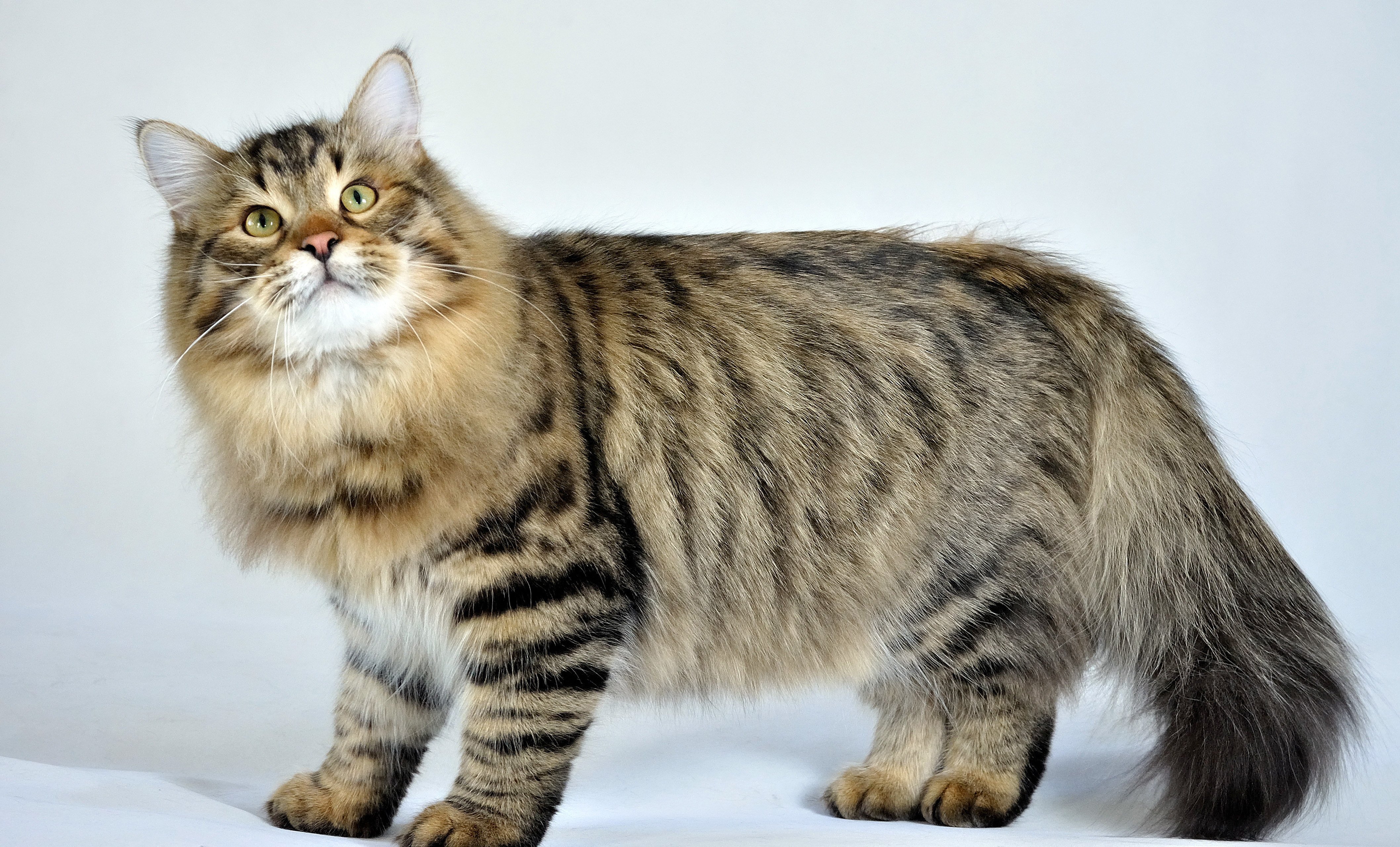
Siberian cat owners often face the challenge of managing their pet's thick, triple coat, which blows out seasonally and requires regular grooming. This breed's high shedding and moderate grooming needs can be overwhelming for some owners. However, with the right care and attention, Siberian cats can thrive and become loving and affectionate companions.
Siberian cats are known for their playful, adventurous, and intelligent personalities, making them a great fit for active owners who can provide plenty of exercise and mental stimulation. Their moderate energy level means they need regular playtime, but they also enjoy relaxing with their owners.
With a lifespan of 11-18 years, Siberian cats are a long-term commitment, and owners should be prepared to deal with common health issues such as HCM, hairballs, and dental disease.
Grooming
Siberian cats require moderate grooming to prevent matting and tangling of their long, triple coat. Regular brushing and combing can help reduce shedding and prevent hairballs. Owners should also be prepared for seasonal blowouts, where the cat sheds heavily to adjust to changing temperatures.
Exercise and Enrichment
Siberian cats need regular exercise to stay happy and healthy. Playtime should include a mix of physical activity, such as chasing toys, and mental stimulation, such as puzzle toys and interactive games. Owners should also provide plenty of scratching posts and climbing structures to keep their cat active and engaged.
Feeding Considerations
Siberian cats are large and need a balanced diet to maintain their weight and overall health. Owners should choose a high-quality cat food that meets their cat's nutritional needs and is formulated to reduce the risk of common health issues such as HCM and dental disease.
Cost and Commitment
Siberian cats are a significant investment, with costs including food, veterinary care, and grooming supplies. Owners should also be prepared for the time commitment required to care for their cat, including regular grooming and exercise sessions.
Health Considerations
Siberian cats are prone to certain health issues, such as HCM, hairballs, and dental disease. Owners should work closely with their veterinarian to monitor their cat's health and address any issues promptly.
Siberian FAQ
How often should I groom my Siberian cat?
Siberian cats require regular grooming to prevent matting and tangling of their coat. Owners should aim to brush their cat at least 2-3 times a week, with daily brushing recommended during seasonal blowouts.
Can Siberian cats be left alone for long periods?
While Siberian cats are independent, they still require regular attention and interaction. Owners should not leave their cat alone for more than 8-10 hours a day, as this can lead to boredom, stress, and behavioral problems.
What are the most common health issues in Siberian cats?
Siberian cats are prone to certain health issues, including HCM, hairballs, and dental disease. Owners should work closely with their veterinarian to monitor their cat's health and address any issues promptly.
How much exercise does a Siberian cat need?
Siberian cats require regular exercise to stay happy and healthy. Owners should aim to provide at least 30 minutes of playtime per day, including a mix of physical activity and mental stimulation.
Are Siberian cats hypoallergenic?
While Siberian cats are not completely hypoallergenic, they do produce fewer allergens than some other breeds. However, they still shed heavily and may not be suitable for owners with severe allergies.
Top picks for Siberians
- Best Treats for Siberians →
- Best Dry Food for Siberians →
- Best Litter for Siberians →
- Best Litter Boxes for Siberians →
- Best Cat Trees for Siberians →
- Best Scratching Posts for Siberians →
- Best Wet Food for Siberians →
- Best Dental Treats for Siberians →
- Best Toys for Siberians →
- Best Beds for Siberians →
- Best Carriers for Siberians →
- Best Nail Clippers for Siberians →
- Best Water Fountains for Siberians →
- Best Calming Aids for Siberians →
- Best Brushes for Siberians →
- Best Harnesses for Siberians →