Siberian Husky
The Siberian Husky is a medium dog known for being outgoing, mischievous, loyal.
- Size
- medium
- Weight
- 35–60 lbs
- Life span
- 12–15 yrs
- Coat
- thick double
- Shedding
- high
- Energy
- very high
Health to watch for
Common breed predispositions — not a diagnosis. Always consult your vet.
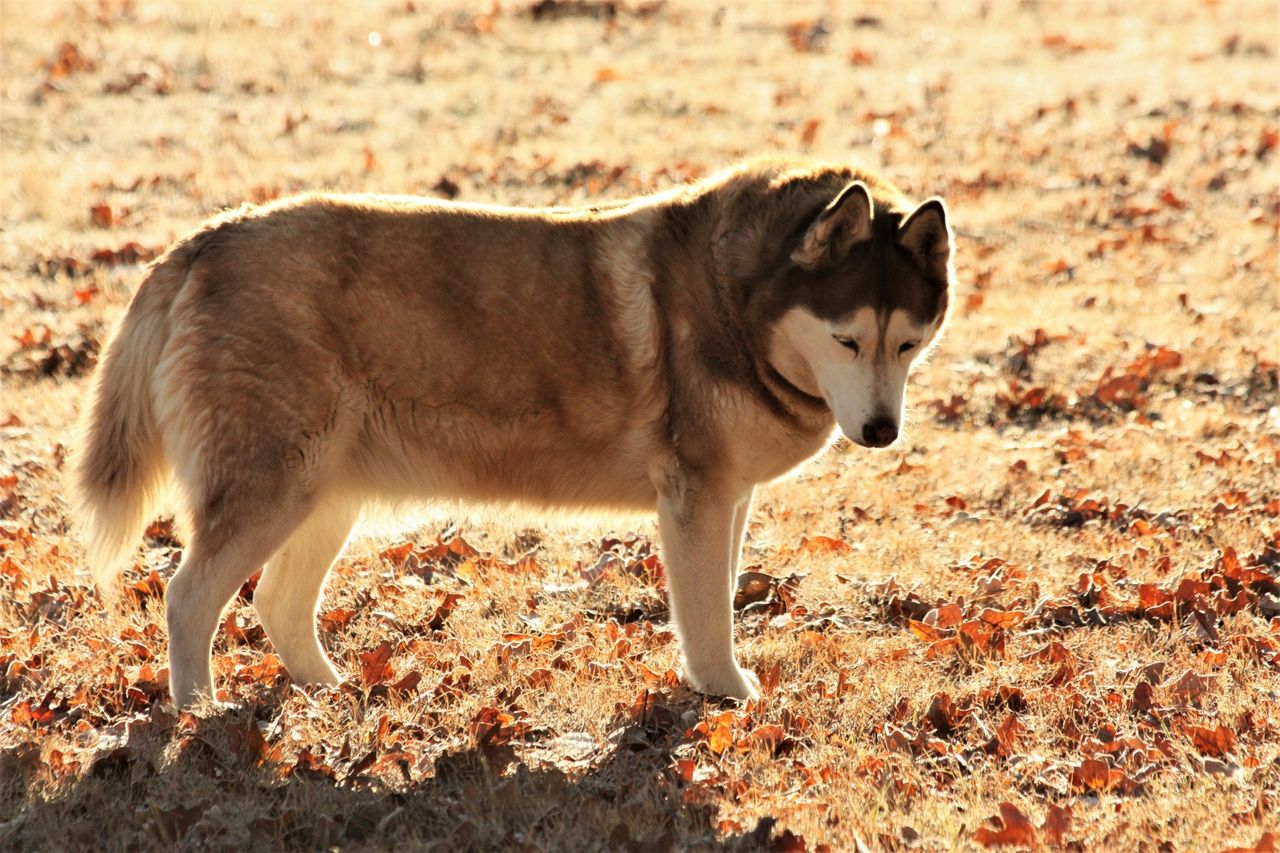
The Siberian Husky's very high energy level demands a significant investment of time and effort from owners. Daily exercise and mental stimulation are crucial to prevent boredom, destructive behavior, and stress. Without adequate physical and mental activity, these dogs can quickly become unhappy and unhealthy.
Siberian Huskies are also known for their thick double coats, which shed heavily and require regular grooming to prevent matting. Their outgoing, mischievous, and loyal temperament makes them a beloved breed, but also requires consistent training and socialization.
As a medium-sized northern breed, the Siberian Husky is built for endurance and thrives in cool climates, but may struggle with heat sensitivity and require special care in warmer environments.
Exercise and Enrichment
Siberian Huskies need at least 2 hours of exercise and mental stimulation per day, including walks, runs, and playtime. They thrive on variety and may enjoy activities like hiking, agility training, and scent work. Providing adequate exercise and enrichment is essential to prevent boredom and stress.
Grooming and Coat Care
The Siberian Husky's thick double coat requires regular brushing to prevent matting and tangling, especially during shedding season. Daily brushing and regular nail trimming, ear cleaning, and bathing can help keep their coat healthy and clean.
Feeding and Nutrition
Siberian Huskies are medium-sized dogs with high energy needs, requiring a balanced diet that includes high-quality protein sources, whole grains, and essential vitamins and minerals. They may be prone to hip dysplasia and eye conditions, so a nutrient-rich diet that supports joint health and eye function is crucial.
Training and Socialization
Siberian Huskies are highly intelligent and responsive to training, but can be independent and stubborn at times. Consistent, positive reinforcement training and early socialization are essential to develop good behavior and prevent unwanted habits.
Health and Veterinary Care
Siberian Huskies are prone to hip dysplasia, eye conditions, and heat sensitivity, so regular veterinary check-ups and preventative care are crucial to maintain their health and catch any potential issues early.
Siberian Husky FAQ
How often should I exercise my Siberian Husky?
Siberian Huskies need at least 2 hours of exercise and mental stimulation per day, including walks, runs, and playtime. The exact amount of exercise may vary depending on the individual dog's age, health, and energy level.
Why does my Siberian Husky shed so much?
Siberian Huskies have a thick double coat that sheds heavily, especially during shedding season. Regular brushing and grooming can help reduce shedding and prevent matting.
Can Siberian Huskies live in warm climates?
While Siberian Huskies can adapt to warmer climates, they may struggle with heat sensitivity and require special care to prevent heatstroke. Providing shade, cool water, and air conditioning can help keep them comfortable in warm environments.
How often should I groom my Siberian Husky?
Siberian Huskies require regular grooming to prevent matting and tangling, including daily brushing and regular nail trimming, ear cleaning, and bathing.
Are Siberian Huskies good with children?
Siberian Huskies can make great family pets, but they require early socialization and training to ensure good behavior around children. As with any breed, it's essential to supervise interactions between dogs and young children and teach children how to interact with dogs safely.
Top picks for Siberian Huskys
- Best Food for Siberian Huskys →
- Best Treats for Siberian Huskys →
- Best Beds for Siberian Huskys →
- Best Crates for Siberian Huskys →
- Best Harnesses for Siberian Huskys →
- Best Leashes for Siberian Huskys →
- Best Brushes for Siberian Huskys →
- Best Shampoo for Siberian Huskys →
- Best Dental Chews for Siberian Huskys →
- Best Nail Clippers for Siberian Huskys →
- Best Joint Supplements for Siberian Huskys →
- Best Collars for Siberian Huskys →
- Best Cooling Mats for Siberian Huskys →
- Best Ear Cleaners for Siberian Huskys →
- Best Toys for Siberian Huskys →
- Best Chew Toys for Siberian Huskys →
- Best Jackets & Coats for Siberian Huskys →
- Best Training Pads for Siberian Huskys →