Common Papillon Health Issues to Watch For
By PetEssentialist Team · Updated July 2026 · How we review
We independently research and pick every product. When you buy through our links we may earn a commission, at no extra cost to you. How this works.
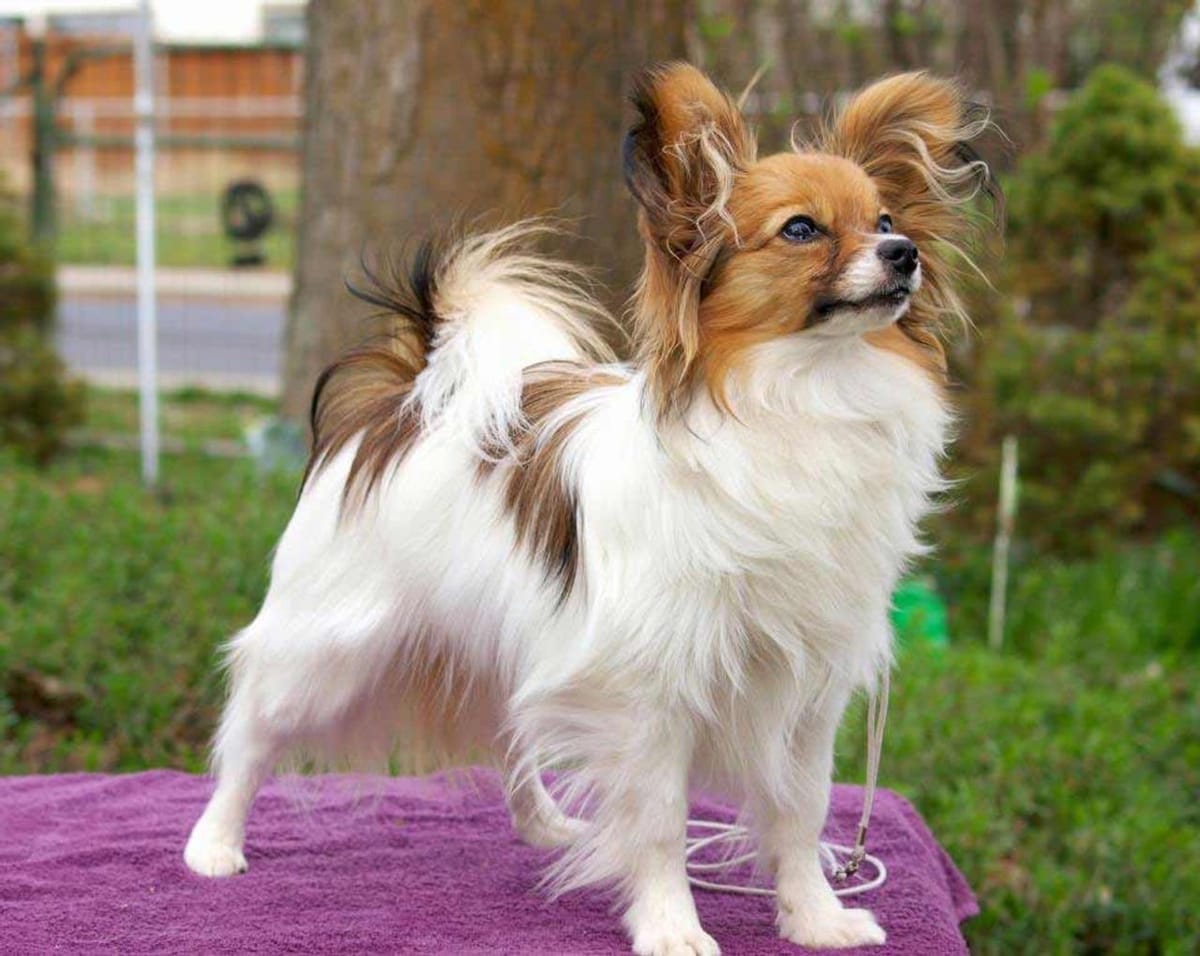
As the Papillon's delicate frame navigates the demands of its high energy level, owners often find themselves juggling the needs of a surprisingly athletic toy dog. With their long, silky coats and butterfly-like ears, Papillons can be a joy to care for, but their predisposition to certain health issues requires attentive monitoring. Regular grooming sessions, for instance, not only keep their coats from matting but also provide an opportunity to inspect for signs of dental disease, a common issue in this breed due to their small jaw size and crowded teeth. The Papillon's intelligence and trainability make them responsive to preventative care measures, such as regular exercise and a balanced diet. However, their friendly and alert nature can sometimes mask early signs of health problems, emphasizing the need for vigilant owners who can recognize the subtlest changes in behavior or physical condition. By understanding the specific health challenges that Papillons face, owners can take proactive steps to ensure their pet lives a long, healthy life, typically ranging from 14 to 16 years. From patellar luxation to progressive retinal atrophy (PRA), being aware of the potential health issues is the first step towards prevention and timely intervention. Everyday care and monitoring can significantly reduce the risk of these conditions becoming severe, making it essential for Papillon owners to be well-informed and proactive about their pet's health.
What to look for
Regular Grooming
Regular grooming is crucial for Papillons, not just to prevent matting of their long, silky coats but also to check for early signs of dental disease. Daily brushing and regular dental checks can help identify issues before they become serious. It's also an opportunity to inspect their ears and eyes for any signs of infection or discomfort. Given their moderate shedding, regular grooming helps prevent loose hair from causing skin irritations.
Balanced Diet and Exercise
A balanced diet tailored to the Papillon's high energy level and small size is essential. Overfeeding can lead to obesity, which exacerbates conditions like patellar luxation. Similarly, appropriate exercise, such as short, frequent walks and play sessions, helps maintain their physical health without putting undue strain on their delicate frame. A diet rich in nutrients and appropriate for their life stage (puppy, adult, senior) supports overall health and helps prevent issues related to malnutrition.
Monitoring for Health Issues
Papillon owners should be vigilant about monitoring their pets for signs of common health issues. This includes watching for signs of patellar luxation, such as sudden yelps of pain or avoiding jumps, and regular eye exams to detect early signs of PRA. Open fontanel, a condition where the bones of the skull do not properly close, requires careful handling of puppies to prevent injury. Regular veterinary check-ups are crucial for early detection and management of these conditions.
Training and Mental Stimulation
Given the Papillon's high intelligence and trainability, providing adequate mental stimulation and training can help reduce stress and prevent behavioral issues. Engaging in activities that challenge them mentally, such as obedience training or puzzle toys, can be as beneficial as physical exercise. This not only strengthens the bond between dog and owner but also contributes to the overall well-being of the Papillon.
Veterinary Care
Consulting a veterinarian at the first sign of illness or discomfort is vital. Regular check-ups, even if the Papillon seems healthy, can help identify potential issues early. For conditions like dental disease or PRA, early intervention can significantly improve outcomes. Owners should maintain a record of their Papillon's health, including vaccination records and the results of any health tests, to discuss with their veterinarian.
Frequently asked questions
How often should I groom my Papillon?
Daily brushing is recommended to prevent matting and tangling of their long, silky coat. Additionally, weekly inspections of their ears, eyes, and teeth can help identify potential health issues early.
What are the first signs of patellar luxation in Papillons?
The first signs may include sudden yelps of pain, holding the leg up, or avoiding activities that previously caused no issues, such as jumping. If you notice any of these signs, consult a veterinarian promptly.
Can Papillons suffer from eye problems?
Yes, Papillons are prone to progressive retinal atrophy (PRA), a condition that can lead to blindness. Regular eye exams by a veterinary ophthalmologist are crucial for early detection.
How can I prevent dental disease in my Papillon?
Regular dental care, including brushing your Papillon's teeth daily and providing dental chews or toys, can help reduce the risk of dental disease. Regular veterinary dental checks are also essential.
At what age should I start training my Papillon?
Training should start as early as possible, ideally from puppyhood. Papillons are highly intelligent and responsive to training, which can help with socialization, housebreaking, and preventing behavioral issues.
For Papillon owners, prioritizing regular grooming, a balanced diet, appropriate exercise, and vigilant monitoring for health issues is key to ensuring their pet leads a healthy, active life. By being proactive and informed, owners can address potential health challenges early, making a significant difference in the quality and length of their Papillon's life. Tailoring care to the Papillon's specific needs, given their unique attributes and predispositions, is essential for a strong, healthy bond between dog and owner.
More for your Papillon
Other breed-matched picks worth a look.