Papillon
The Papillon is a toy dog known for being alert, friendly, happy.
- Size
- toy
- Weight
- 5–10 lbs
- Life span
- 14–16 yrs
- Coat
- long silky single
- Shedding
- moderate
- Energy
- high
Health to watch for
Common breed predispositions — not a diagnosis. Always consult your vet.
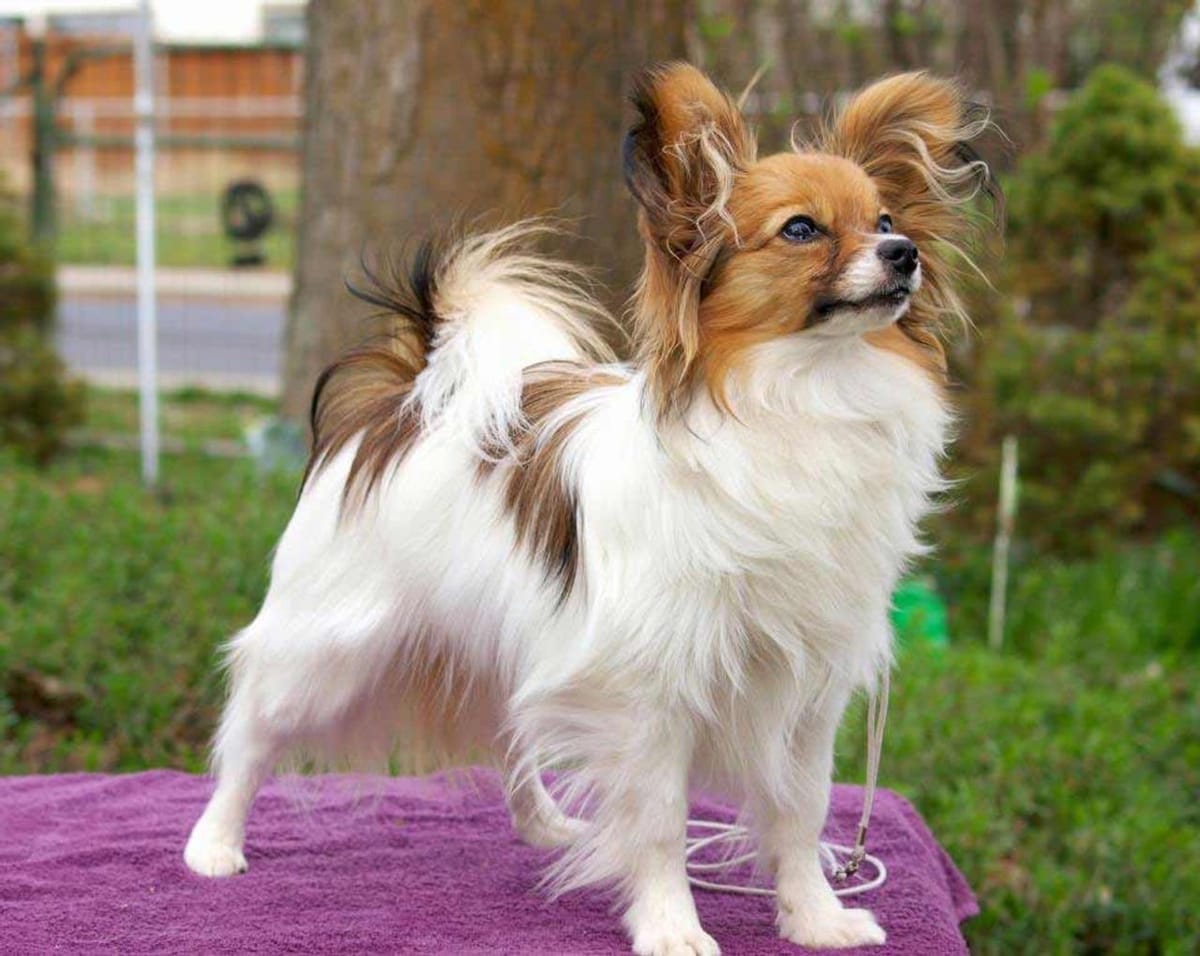
Papillons are often underestimated due to their small size, but their high energy level and delicate frame require careful consideration. Owners of this breed need to balance providing sufficient exercise and mental stimulation with protecting their dog's joints and overall health. The Papillon's long, silky coat and moderate shedding also demand regular grooming to prevent matting and tangling.
Despite their dainty appearance, Papillons are surprisingly athletic and trainable, making them a great choice for owners who enjoy interactive play and training sessions. However, their propensity for dental issues and other health problems means that owners must be vigilant about monitoring their dog's health and providing regular veterinary check-ups. With proper care and attention, Papillons can thrive and become loving and loyal companions.
For prospective owners, understanding the Papillon's specific needs is crucial to providing the best possible life for their dog. From daily grooming and exercise to feeding and health considerations, every aspect of care must be tailored to this breed's unique characteristics.
Temperament and Training
Papillons are known for their alert, friendly, and intelligent nature, making them highly trainable. Consistent, positive reinforcement training is essential to develop good behavior and prevent unwanted habits. Early socialization is also vital to help Papillons become confident and calm in new environments.
Daily Grooming
The Papillon's long, silky coat requires regular brushing to prevent matting and tangling. Daily grooming sessions should focus on gently working out knots and tangles, particularly around the ears and legs. This helps to prevent skin irritation and keep the coat in good condition.
Exercise and Enrichment
Papillons have a high energy level and need regular exercise to stay happy and healthy. Daily walks, playtime, and interactive training sessions are essential to provide mental and physical stimulation. Owners should aim to provide at least 30 minutes of exercise and playtime per day, divided into shorter sessions to avoid putting too much strain on the dog's joints.
Feeding Considerations
Papillons are prone to dental issues, so a balanced diet that promotes good oral health is crucial. Owners should choose a high-quality dog food that is specifically formulated for small breeds and contains ingredients that help to reduce tartar and plaque buildup. Regular feeding times and portion control are also essential to maintain a healthy weight and prevent obesity.
Health and Veterinary Care
Papillons are prone to several health issues, including patellar luxation, dental disease, and progressive retinal atrophy. Regular veterinary check-ups are vital to monitor the dog's health and detect any potential problems early. Owners should also be aware of the signs and symptoms of these conditions and seek veterinary advice immediately if they notice any unusual behavior or physical changes.
Papillon FAQ
How often should I groom my Papillon?
Papillons require daily grooming to prevent matting and tangling of their long, silky coat. Owners should aim to brush their dog's coat at least once a day, paying particular attention to the ears and legs.
Can Papillons be left alone for long periods?
Papillons are social dogs that thrive on interaction and attention. While they can be left alone for short periods, it's not recommended to leave them alone for extended periods without providing adequate exercise, mental stimulation, and care.
What are the most common health issues in Papillons?
Papillons are prone to several health issues, including patellar luxation, dental disease, progressive retinal atrophy, and open fontanel. Regular veterinary check-ups are essential to monitor the dog's health and detect any potential problems early.
How much exercise does a Papillon need?
Papillons have a high energy level and require regular exercise to stay happy and healthy. Owners should aim to provide at least 30 minutes of exercise and playtime per day, divided into shorter sessions to avoid putting too much strain on the dog's joints.
Are Papillons suitable for first-time dog owners?
Papillons can make great companions for first-time dog owners, but they do require careful consideration and attention to their specific needs. Owners must be willing and able to provide regular grooming, exercise, and training, as well as monitor their dog's health and seek veterinary advice when necessary.
Top picks for Papillons
- Best Food for Papillons →
- Best Dental Chews for Papillons →
- Best Beds for Papillons →
- Best Treats for Papillons →
- Best Shampoo for Papillons →
- Best Crates for Papillons →
- Best Collars for Papillons →
- Best Harnesses for Papillons →
- Best Leashes for Papillons →
- Best Brushes for Papillons →
- Best Nail Clippers for Papillons →
- Best Chew Toys for Papillons →
- Best Toys for Papillons →
- Best Jackets & Coats for Papillons →
- Best Training Pads for Papillons →
- Best Cooling Mats for Papillons →
- Best Joint Supplements for Papillons →
- Best Ear Cleaners for Papillons →