How Much Exercise Does a Papillon Need?
By PetEssentialist Team · Updated July 2026 · How we review
We independently research and pick every product. When you buy through our links we may earn a commission, at no extra cost to you. How this works.
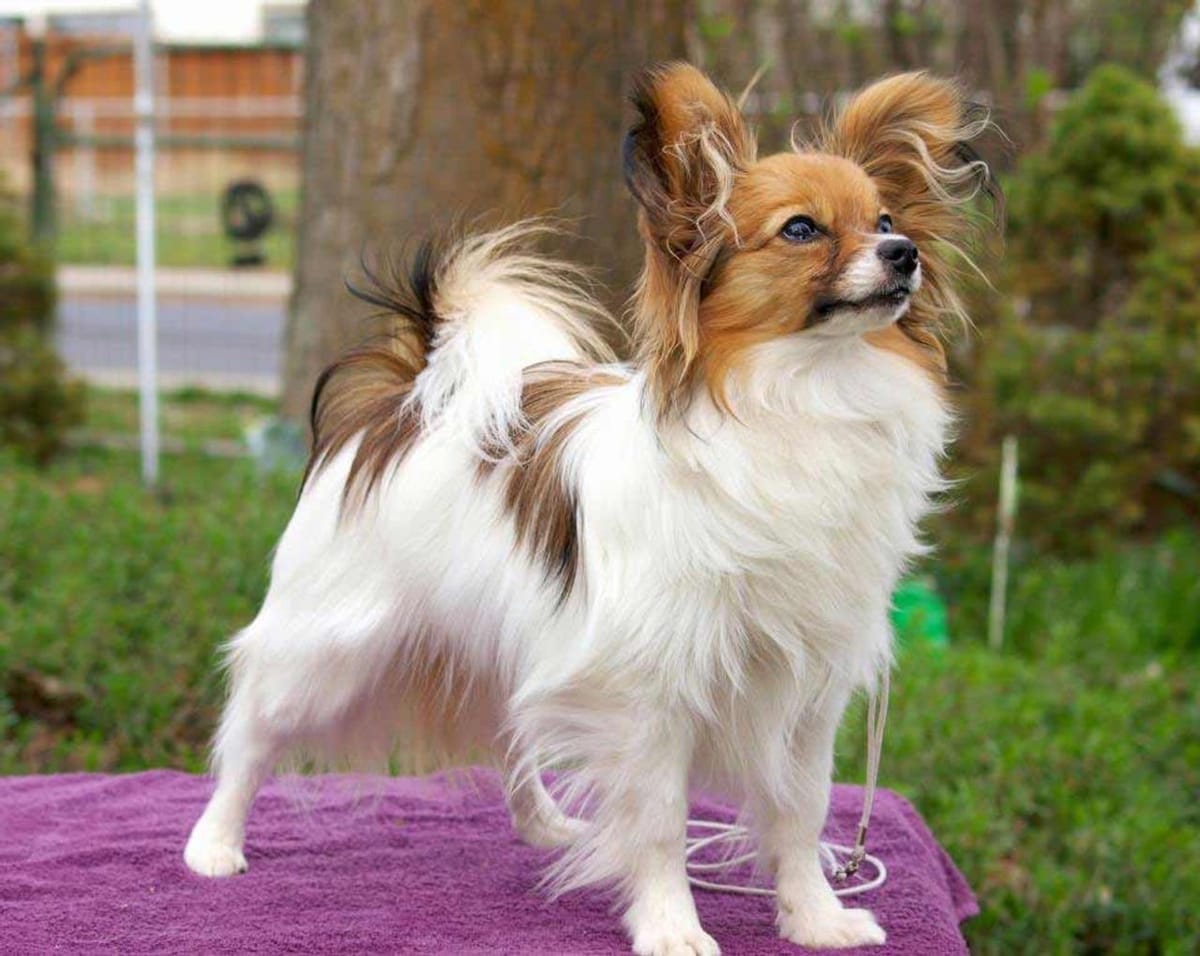
The Papillon's butterfly ears and delicate frame belie their surprisingly athletic nature, requiring owners to balance exercise with caution to prevent injuries. Despite their small size, Papillons are high-energy dogs that need regular physical and mental stimulation to prevent boredom and stress. With their intelligent and trainable temperament, Papillons thrive on interactive play and challenging activities that exercise their mind and body. Papillons are prone to dental issues, so their exercise routine should also include activities that promote oral health, such as chewing and playing with durable toys. Their long, silky coat requires regular grooming, which can be a great way to bond with your Papillon while also keeping their coat in good condition. To ensure your Papillon gets the right amount of exercise, it's essential to understand their specific needs and create a routine that caters to their unique characteristics, including their high energy level, delicate frame, and intelligent temperament.
What to look for
Daily Exercise Duration
Papillons need at least 30 minutes of exercise per day, divided into two or three sessions to prevent exhaustion. This can include a combination of walks, playtime, and training sessions. It's essential to monitor your Papillon's energy levels and adjust the exercise duration accordingly to prevent overexertion.
Mental Enrichment Activities
Papillons are highly intelligent and need mental stimulation to prevent boredom and stress. Engage your Papillon in activities such as puzzle toys, obedience training, and scent work to challenge their mind and keep them engaged. Rotate activities regularly to prevent repetition and keep your Papillon interested.
Signs of Too Little or Too Much Exercise
Monitor your Papillon for signs of too little exercise, such as destructive behavior, barking, or restlessness. On the other hand, watch for signs of too much exercise, such as panting, limping, or exhaustion. Adjust the exercise routine accordingly to ensure your Papillon gets the right amount of physical and mental stimulation.
Avoiding Common Health Issues
Papillons are prone to patellar luxation, dental disease, and other health issues. Ensure your Papillon's exercise routine includes activities that promote joint health, such as short walks and gentle play, and avoid high-impact activities that can exacerbate these conditions. Regular veterinary check-ups are also crucial to monitor your Papillon's health and catch any potential issues early.
Creating a Balanced Routine
A balanced exercise routine for Papillons should include a combination of physical activity, mental stimulation, and rest. Aim for a mix of high-energy activities, such as playtime and training, and low-energy activities, such as grooming and quiet time. This will help prevent overexertion and ensure your Papillon gets the right amount of exercise and rest.
Frequently asked questions
How often should I take my Papillon for a walk?
Papillons need at least one short walk per day, preferably twice a day. Keep walks short, around 10-15 minutes, to prevent exhaustion and joint strain.
Can Papillons engage in high-impact activities?
No, Papillons should avoid high-impact activities, such as jumping or running, due to their delicate frame and prone to patellar luxation. Instead, opt for low-impact activities, such as walking or playtime in a securely fenced area.
How can I provide mental stimulation for my Papillon?
Engage your Papillon in activities such as puzzle toys, obedience training, and scent work to challenge their mind and keep them engaged. Rotate activities regularly to prevent repetition and keep your Papillon interested.
What are the signs of overexertion in Papillons?
Monitor your Papillon for signs of overexertion, such as panting, limping, or exhaustion. If you notice any of these signs, stop the activity immediately and provide a break.
Can Papillons exercise alone?
No, Papillons are social dogs and thrive on interaction with their owners. Exercise with your Papillon, such as playtime or training, to provide mental stimulation and strengthen your bond.
To ensure your Papillon leads a happy and healthy life, prioritize creating a balanced exercise routine that caters to their unique characteristics, including high energy level, delicate frame, and intelligent temperament. With regular physical and mental stimulation, your Papillon will thrive and become a loving and loyal companion. Consult with a veterinarian or a certified dog trainer to create a customized exercise plan that suits your Papillon's specific needs and personality.
More for your Papillon
Other breed-matched picks worth a look.