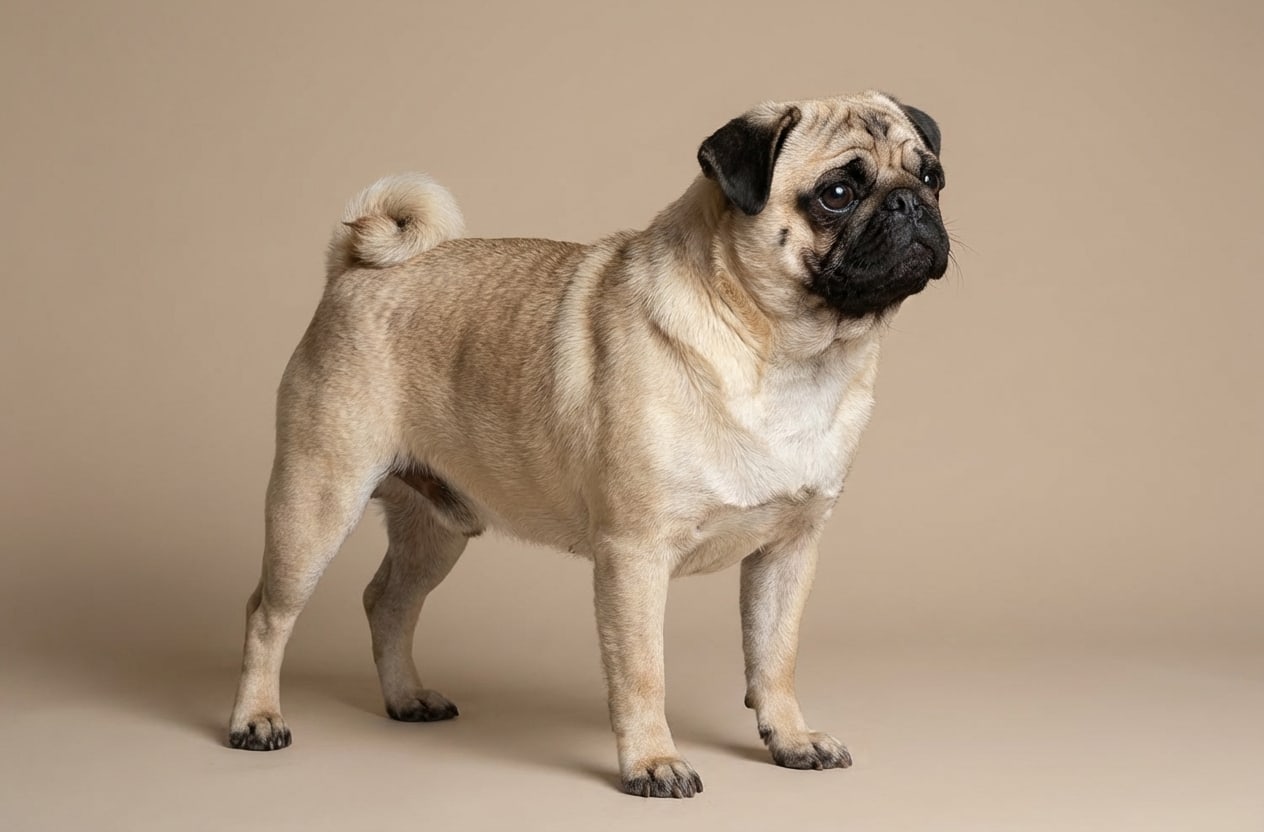
How Much Exercise Does a Pug Need?
By PetEssentialist Team · Updated June 2026 · How we review
We independently research and pick every product. When you buy through our links we may earn a commission, at no extra cost to you. How this works.
Pugs require regular exercise to stay healthy and happy, but their low energy level and brachycephalic airway mean they need shorter, more gentle sessions. A daily walk of 15-20 minutes is a good starting point, with plenty of breaks to avoid overheating. Their short, double coat sheds heavily, so regular grooming is essential to prevent matting and tangling. Pugs are prone to obesity, which can exacerbate existing health issues like brachycephalic airway syndrome and skin fold dermatitis. Regular exercise helps maintain a healthy weight, but it's crucial to avoid overexertion. Mental enrichment is also vital for Pugs, who can become bored and mischievous if left without stimulation. Engage their minds with puzzle toys, scent games, and short training sessions to keep them happy and fulfilled.
What to look for
Duration and Frequency
Pugs need daily exercise, but it should be short and sweet. Aim for 15-20 minute walks, with plenty of breaks to avoid overheating. Two to three short walks per day are better than one long one, as this helps prevent exhaustion and stress.
Avoiding Overexertion
Pugs are prone to overheating and exhaustion due to their brachycephalic airway and low energy level. Avoid exercise during hot weather, and always monitor your Pug's temperature and breathing. If they show signs of distress, stop immediately and seek shade or air conditioning.
Mental Enrichment
Pugs need mental stimulation to prevent boredom and mischievous behavior. Engage their minds with puzzle toys, scent games, and short training sessions. This will help keep them happy, fulfilled, and less prone to destructive behavior.
Signs of Too Little or Too Much Exercise
Watch for signs of too little exercise, such as weight gain, lethargy, and decreased appetite. Conversely, too much exercise can lead to overheating, exhaustion, and respiratory distress. If you notice any of these signs, adjust your Pug's exercise routine accordingly.
Age and Health Considerations
Pugs' exercise needs change as they age or develop health issues. Consult with your veterinarian to determine the best exercise plan for your Pug, taking into account their age, weight, and any existing health conditions.
Frequently asked questions
How often should I walk my Pug?
Aim for two to three short walks per day, each lasting 15-20 minutes. This will help prevent exhaustion and stress, while keeping your Pug happy and healthy.
Can Pugs exercise in hot weather?
No, Pugs are heat-intolerant due to their brachycephalic airway and should avoid exercise during hot weather. Opt for early morning or evening walks when it's cooler, and always monitor your Pug's temperature and breathing.
Why is mental enrichment important for Pugs?
Pugs can become bored and mischievous if left without stimulation, leading to destructive behavior. Mental enrichment activities like puzzle toys and scent games help engage their minds, reducing the likelihood of unwanted behavior.
How can I tell if my Pug is getting too much exercise?
Watch for signs of overheating, exhaustion, and respiratory distress, such as panting, wheezing, or collapse. If you notice any of these signs, stop exercise immediately and seek veterinary attention if necessary.
Can Pugs exercise indoors?
Yes, Pugs can exercise indoors, especially during hot weather or when outdoor exercise is not possible. Try activities like hide-and-seek, stair climbing, or indoor fetch to keep your Pug active and engaged.
The key to meeting a Pug's exercise needs is to prioritize gentle, frequent sessions that avoid overheating and exhaustion. By providing regular physical activity and mental enrichment, you can help your Pug stay happy, healthy, and fulfilled. Consult with your veterinarian to determine the best exercise plan for your Pug, taking into account their age, weight, and any existing health conditions.
More for your Pug
Other breed-matched picks worth a look.