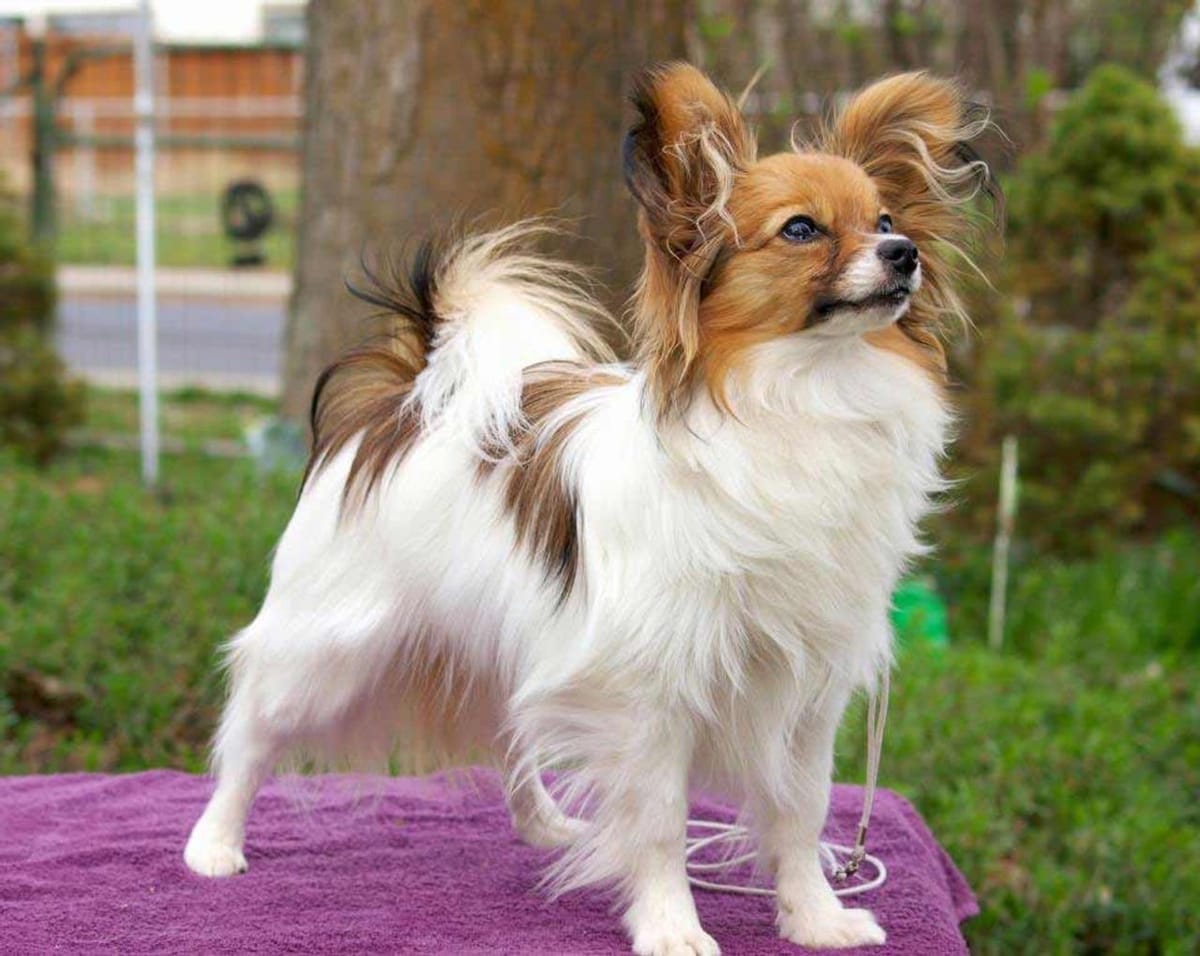
How Much to Feed a Papillon
By PetEssentialist Team · Updated July 2026 · How we review
We independently research and pick every product. When you buy through our links we may earn a commission, at no extra cost to you. How this works.
Papillons require careful feeding to maintain their delicate frame and high energy level. Their long, silky coat and moderate shedding mean they need a balanced diet that supports skin and coat health. With their intelligent and trainable nature, Papillons thrive on a consistent feeding schedule and positive reinforcement training. A Papillon's diet must be tailored to their life stage, weight, and activity level to prevent common health issues such as patellar luxation and dental disease. Their small size and high metabolism mean they need frequent, nutrient-rich meals to sustain their energy levels. Owners of Papillons should focus on providing a high-quality diet that meets their specific needs, rather than relying on generic feeding guidelines. By doing so, they can help their Papillon maintain a healthy weight, prevent common health issues, and enjoy a long and happy life.
What to look for
Calculate Daily Caloric Needs
Papillons require a daily caloric intake of 150-200 calories per 10 pounds of body weight. To calculate your Papillon's daily caloric needs, multiply their weight by 15-20 calories per pound. For example, a 5-pound Papillon needs 75-100 calories per day, while a 10-pound Papillon needs 150-200 calories per day.
Choose the Right Food
Papillons require a high-quality dog food that is rich in protein, moderate in fat, and low in carbohydrates. Look for a food that is specifically formulated for toy breeds and has a balanced mix of vitamins and minerals to support skin and coat health.
Feed Frequently
Papillons have small stomachs and high metabolisms, so they need to eat frequently to sustain their energy levels. Feed your Papillon 3-4 times a day, and consider adding healthy snacks such as carrots or green beans to their diet.
Monitor Weight and Adjust
Papillons are prone to weight gain, so it's essential to monitor their weight regularly and adjust their food intake accordingly. Check your Papillon's weight weekly, and adjust their food intake by 10-15% every 2-3 weeks to maintain a healthy weight.
Consider Life Stage and Activity Level
Papillons have different nutritional needs at different life stages and activity levels. Puppies require more calories and protein than adult Papillons, while senior Papillons may require fewer calories and more fiber. Adjust your Papillon's food intake according to their life stage and activity level to ensure they are getting the nutrients they need.
Frequently asked questions
How often should I feed my Papillon puppy?
Papillon puppies should be fed 3-4 times a day, and their food intake should be adjusted according to their growth rate and activity level. Consult with your veterinarian to determine the best feeding schedule for your Papillon puppy.
Can I feed my Papillon table scraps?
No, it's not recommended to feed your Papillon table scraps, as they can be high in fat, salt, and sugar, and can cause digestive problems. Stick to a high-quality dog food that is specifically formulated for toy breeds.
How can I prevent my Papillon from becoming overweight?
To prevent your Papillon from becoming overweight, monitor their weight regularly, adjust their food intake accordingly, and ensure they are getting enough exercise and mental stimulation. Avoid overfeeding, and limit treats and snacks to 10% of their daily caloric intake.
What are the signs of malnutrition in Papillons?
Signs of malnutrition in Papillons include weight loss, dull coat, dry skin, and lethargy. If you notice any of these signs, consult with your veterinarian to determine the best course of action and adjust your Papillon's diet accordingly.
Can I feed my Papillon a raw diet?
While some owners swear by raw diets, it's essential to consult with your veterinarian before making any changes to your Papillon's diet. Raw diets can be high in bacteria and other pathogens, and may not provide the necessary nutrients for optimal health.
To keep your Papillon healthy and happy, focus on providing a high-quality diet that meets their specific needs, and adjust their food intake according to their life stage, weight, and activity level. By doing so, you can help your Papillon maintain a healthy weight, prevent common health issues, and enjoy a long and happy life. Consult with your veterinarian to determine the best diet and feeding schedule for your Papillon, and monitor their weight and health regularly to make any necessary adjustments.
More for your Papillon
Other breed-matched picks worth a look.