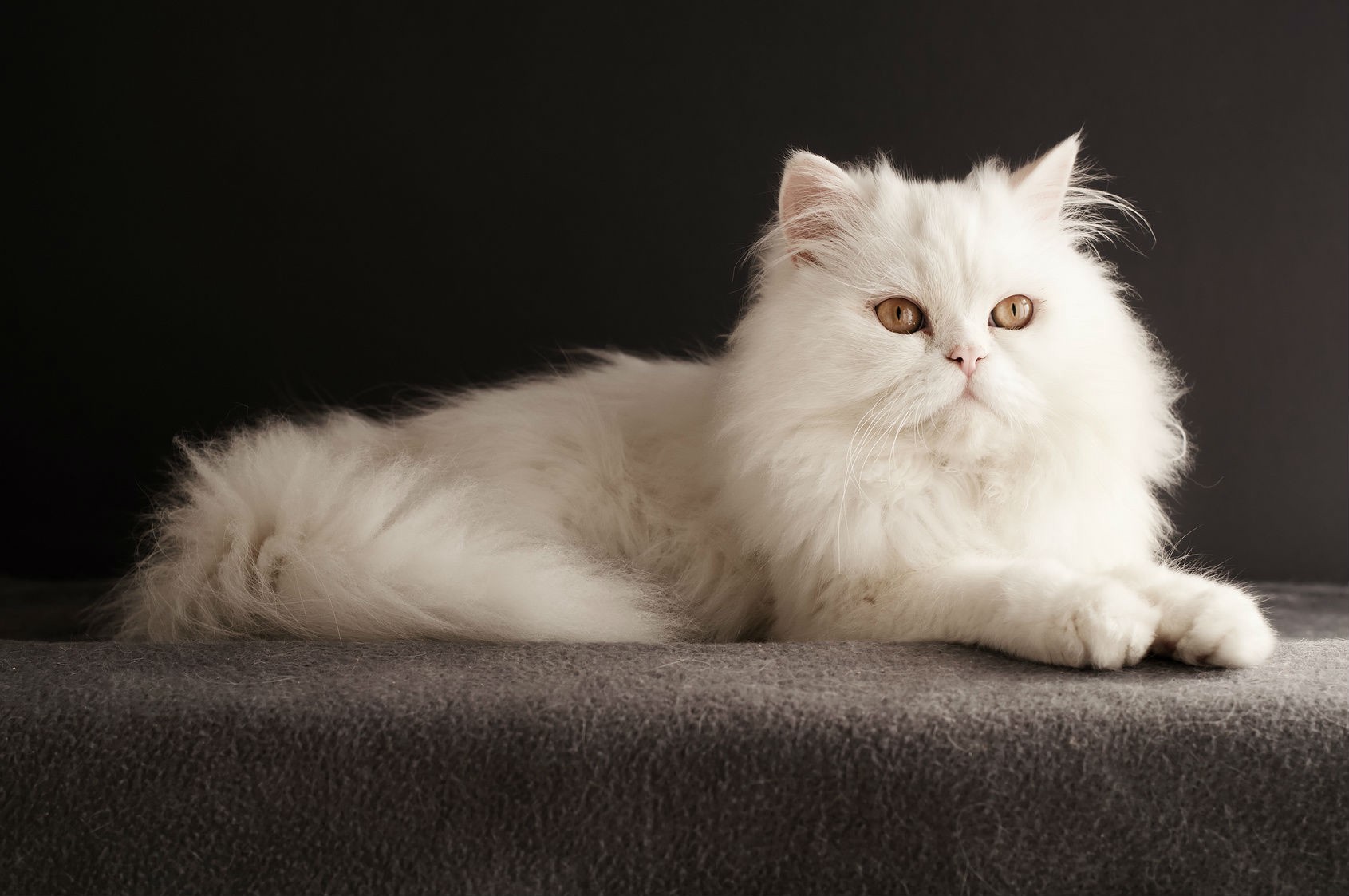
How Much to Feed a Persian
By PetEssentialist Team · Updated June 2026 · How we review
We independently research and pick every product. When you buy through our links we may earn a commission, at no extra cost to you. How this works.
Persian cats are prone to obesity due to their low energy levels and dense coats, which can lead to a range of health issues if not managed properly. Their flat faces and short nasal passages make them more susceptible to breathing difficulties, especially when eating. As a result, it's crucial to monitor their food intake and portion sizes carefully. Daily grooming is essential for Persians, but it's equally important to pay attention to their dietary needs to prevent common health issues like PKD and dental disease.
What to look for
Determine Your Cat's Ideal Weight
Persians typically weigh between 7-12 pounds, and their ideal weight depends on their age, size, and activity level. It's essential to consult with a veterinarian to determine the ideal weight for your cat. A good rule of thumb is to be able to feel their ribs without too much fat covering them.
Choose the Right Food
Persians require high-quality food that is rich in protein and fiber to support their dense coats and overall health. Look for food that is specifically formulated for indoor, low-energy cats to prevent obesity. Divide your cat's daily ration into 2-3 meals to prevent overeating and reduce the risk of hairballs.
Monitor Portion Sizes
Persians have small mouths and may have difficulty eating large kibbles, so it's crucial to choose a food with smaller, easier-to-chew pieces. Start with the recommended portion size on the food label and adjust as needed to maintain your cat's ideal weight. Be cautious not to overfeed, as this can lead to a range of health issues.
Adjust for Age and Activity Level
Kittens and younger Persians require more frequent, higher-calorie meals to support their growth and development. As they mature, their calorie needs decrease, and their meals can become less frequent. Older Persians may require more fiber-rich foods to support their digestive health and prevent constipation.
Keep Your Cat Hydrated
Persians are prone to urinary issues, so it's essential to encourage water intake. Place multiple water sources around the house, and consider using a water fountain to make drinking more appealing. You can also add a small amount of low-sodium chicken broth to their food to increase moisture content.
Frequently asked questions
How often should I feed my Persian cat?
The frequency of feeding depends on your cat's age, size, and activity level. Generally, kittens require 3-4 meals per day, while adult Persians can thrive on 2 meals per day. Consult with your veterinarian to determine the best feeding schedule for your cat.
What is the best food for my Persian cat?
The best food for your Persian cat is one that is high in protein, moderate in fat, and low in carbohydrates. Look for a food that is specifically formulated for indoor, low-energy cats, and consider a food with smaller kibbles to accommodate their flat faces and short nasal passages.
How can I prevent my Persian cat from becoming overweight?
To prevent your Persian cat from becoming overweight, it's essential to monitor their food intake and portion sizes carefully. Divide their daily ration into 2-3 meals, and avoid overfeeding. Encourage exercise by playing with your cat regularly, and provide plenty of opportunities for mental stimulation.
Can I free-feed my Persian cat?
No, it's not recommended to free-feed your Persian cat, as this can lead to overeating and obesity. Instead, feed your cat at set times each day, and remove any uneaten food after a certain period to prevent snacking and weight gain.
How can I ensure my Persian cat is getting enough water?
To ensure your Persian cat is getting enough water, provide multiple water sources around the house, and consider using a water fountain to make drinking more appealing. You can also add a small amount of low-sodium chicken broth to their food to increase moisture content and encourage water intake.
Feeding your Persian cat requires careful attention to their unique needs and characteristics. By determining their ideal weight, choosing the right food, monitoring portion sizes, and adjusting for age and activity level, you can help your cat maintain optimal health and prevent common health issues. For more information on the best food and products for your Persian cat, visit our product picks page.
More for your Persian
Other breed-matched picks worth a look.