How Much to Feed a Pug
By PetEssentialist Team · Updated June 2026 · How we review
We independently research and pick every product. When you buy through our links we may earn a commission, at no extra cost to you. How this works.
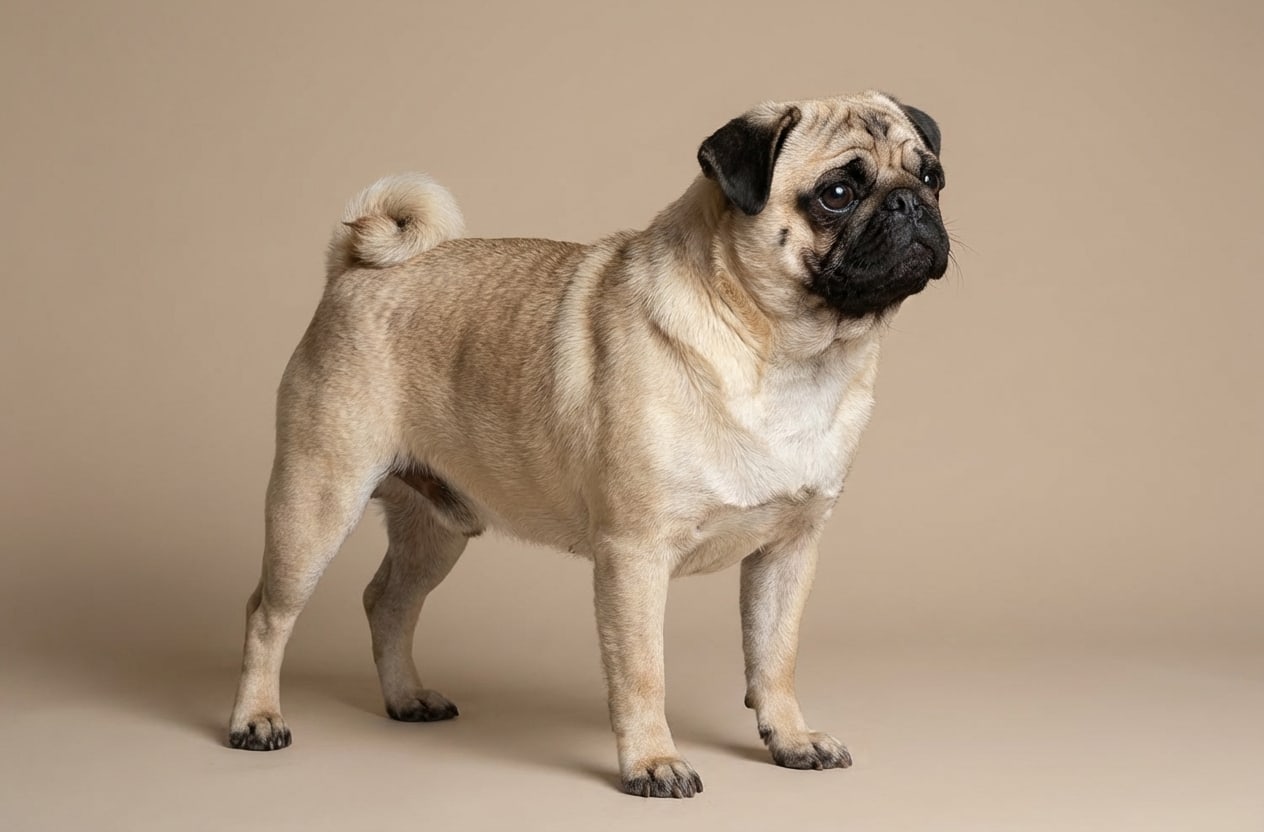
Obesity is a significant health risk for Pugs, given their propensity for overeating and low energy levels. As a result, monitoring their food intake is crucial to prevent weight-related issues such as brachycephalic airway syndrome and skin fold dermatitis. Pugs are small, flat-faced dogs that shed heavily, but their low energy levels mean they don't require a lot of calories. Their charming and even-tempered nature makes them wonderful companions, but it's essential to establish a healthy eating routine from an early age. A well-structured feeding plan, taking into account the Pug's age, weight, and activity level, is vital to maintain a healthy weight and prevent common health issues.
What to look for
Assessing Age and Weight
Pug puppies require more frequent meals than adults, with 3-4 meals per day until they reach six months. As they grow, the frequency can be reduced to 2-3 meals. Adult Pugs typically weigh between 14-18 pounds, and their daily calorie intake should be adjusted accordingly. For example, a Pug weighing 15 pounds requires approximately 400-500 calories per day.
Considering Activity Level
Pugs are not high-energy dogs, but they still need regular exercise to stay healthy. Their activity level should be taken into account when determining their daily calorie intake. For instance, a Pug that goes for short walks daily may require fewer calories than one that engages in playtime or longer walks.
Portion Control and Meal Frequency
To prevent overeating, Pugs should be fed measured portions, and their meals should be divided into 2-3 servings per day. It's essential to choose a high-quality dog food that meets their nutritional needs, and to avoid overfeeding, which can lead to obesity and related health issues.
Adjusting for Life Stage
As Pugs age, their dietary needs change. Senior Pugs may require fewer calories and more frequent, smaller meals to prevent weight gain and manage potential health issues. It's crucial to consult with a veterinarian to determine the best feeding plan for a senior Pug.
Monitoring Progress
Regular weigh-ins and body condition assessments are vital to ensure the Pug is maintaining a healthy weight. Owners should also monitor their Pug's overall health, watching for signs of obesity, skin fold dermatitis, or other health issues, and adjust their feeding plan accordingly.
Frequently asked questions
How often should I feed my Pug puppy?
Pug puppies require 3-4 meals per day until they reach six months, after which the frequency can be reduced to 2-3 meals.
Can I free-feed my Pug?
No, free-feeding can lead to overeating and obesity in Pugs. It's essential to feed measured portions and monitor their food intake.
What is the ideal weight for a Pug?
The ideal weight for a Pug is between 14-18 pounds, depending on their age, sex, and overall health.
How can I prevent my Pug from becoming obese?
To prevent obesity in Pugs, it's crucial to monitor their food intake, ensure regular exercise, and limit treats. Consult with a veterinarian to determine the best feeding plan for your Pug.
Can I give my Pug table scraps?
No, table scraps can be high in calories and fat, leading to obesity and other health issues in Pugs. It's best to stick to a high-quality dog food and avoid giving table scraps.
A well-structured feeding plan, tailored to the Pug's age, weight, and activity level, is essential to maintain a healthy weight and prevent common health issues. By monitoring their food intake, ensuring regular exercise, and consulting with a veterinarian, owners can help their Pug live a happy and healthy life. Remember to prioritize portion control, meal frequency, and adjust for life stage to ensure the best possible outcome for your Pug.
More for your Pug
Other breed-matched picks worth a look.