Is a Papillon the Right Dog for You?
By PetEssentialist Team · Updated July 2026 · How we review
We independently research and pick every product. When you buy through our links we may earn a commission, at no extra cost to you. How this works.
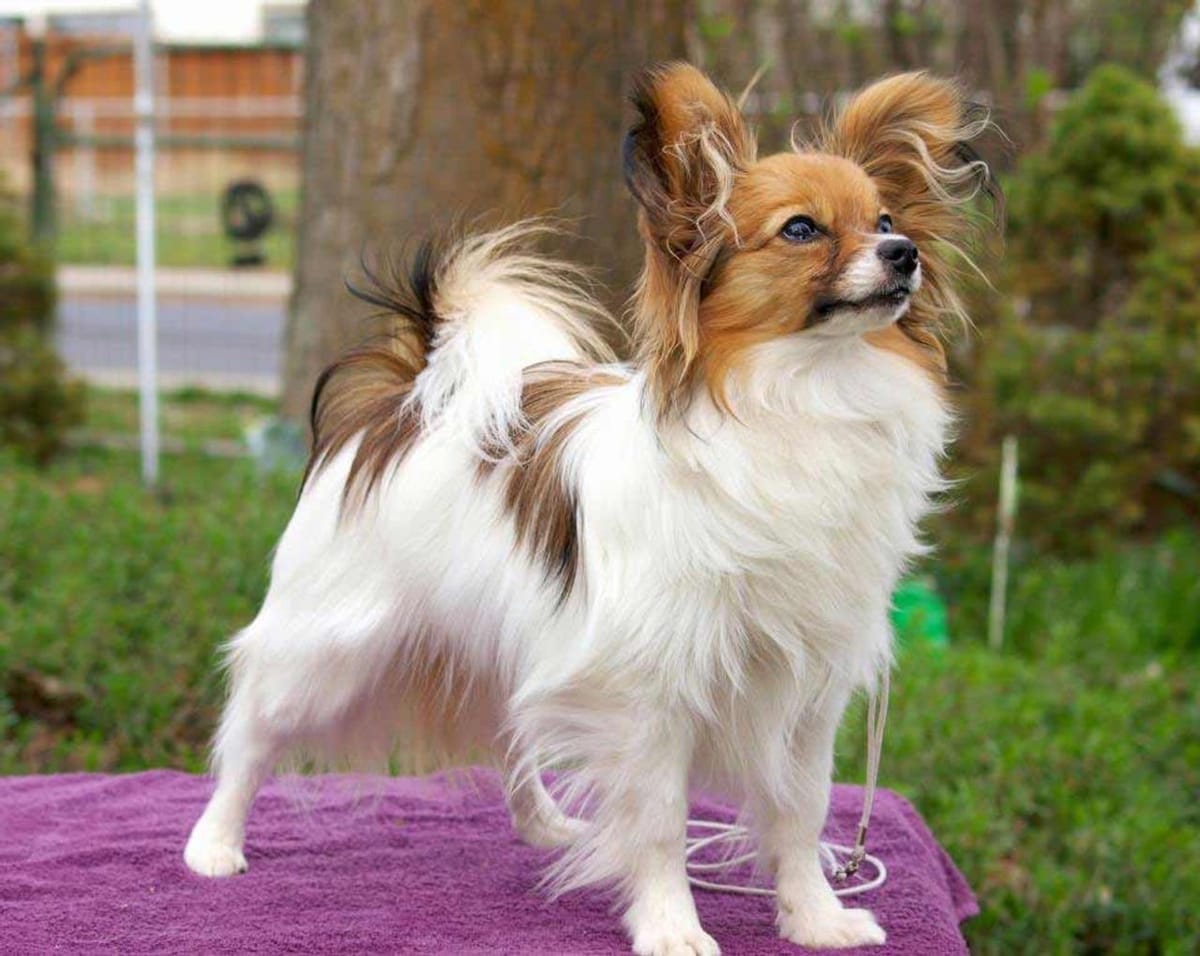
A Papillon's delicate frame and butterfly-like ears can be deceiving, as they are surprisingly athletic and trainable. Their high energy level and moderate shedding require regular exercise and grooming sessions. As they thrive on human interaction, Papillons are often found shadowing their owners, eager to play or cuddle, making them a great companion for active families or individuals. Despite their small size, Papillons are intelligent and alert, requiring mental stimulation and consistent training to prevent boredom and destructive behavior. Their long, silky coats demand regular brushing to prevent matting and tangling, while their delicate dental health necessitates frequent veterinary check-ups. With a lifespan of 14-16 years, owning a Papillon is a long-term commitment that requires careful consideration of their specific needs. For those who can provide the necessary attention and care, a Papillon can be a loving and loyal companion, bringing joy and excitement to their daily lives. However, it's essential to weigh the pros and cons of owning a Papillon, considering factors such as space, time commitment, and cost, to ensure that this breed is the right fit for your lifestyle.
What to look for
Space and Living Situation
Papillons are well-suited for apartment living due to their small size, but they do require regular exercise to keep them happy and healthy. A daily walk and playtime can help meet their physical needs, while a securely fenced yard can provide a safe space for them to run and play. Consider the size of your living space and whether you can provide a Papillon with the necessary room to move around and exercise.
Time Commitment
Papillons are intelligent and alert, requiring regular mental stimulation and training to prevent boredom and destructive behavior. They thrive on human interaction and require consistent attention and socialization. Consider whether you have enough time to devote to a Papillon's training, grooming, and socialization needs, and whether you can provide the necessary consistency and patience.
Grooming and Maintenance
Papillons have a long, silky coat that requires regular brushing to prevent matting and tangling. Their delicate dental health also necessitates frequent veterinary check-ups and a consistent oral care routine. Consider whether you are willing and able to commit to regular grooming and maintenance tasks, and whether you can afford the associated costs.
Cost and Budget
Owning a Papillon can come with significant costs, including the purchase price, grooming expenses, and veterinary care. Consider your budget and whether you can afford the ongoing expenses associated with owning a Papillon, including food, toys, and healthcare.
Family and Social Dynamics
Papillons are friendly and happy dogs that thrive on human interaction, making them a great fit for families with children or for individuals who want a loyal companion. However, they can be sensitive to noise and stress, so it's essential to consider the dynamics of your household and whether a Papillon would be a good fit. Consider factors such as the age and temperament of your children, as well as the presence of other pets in the household.
Frequently asked questions
Are Papillons good with children?
Papillons can make great family pets, but they do require gentle handling and care. They are sensitive to noise and stress, so it's essential to teach children how to interact with them gently and respectfully. With proper socialization and training, Papillons can thrive in households with children.
Do Papillons require a lot of exercise?
Papillons are high-energy dogs that require regular exercise to stay happy and healthy. They need daily walks and playtime, and they love to run and play in securely fenced yards. However, they are not suited for long-distance running or high-impact activities, due to their delicate frame and potential health issues.
How often should I groom my Papillon?
Papillons have a long, silky coat that requires regular brushing to prevent matting and tangling. They should be brushed at least 2-3 times a week, and more often during shedding season. Regular grooming can help reduce shedding and prevent hairballs, and it's also a great way to bond with your Papillon.
Are Papillons prone to health issues?
Papillons are prone to certain health issues, including patellar luxation, dental disease, and progressive retinal atrophy. They also have a delicate frame and can be prone to injuries, so it's essential to provide regular veterinary care and monitor their health closely. With proper care and attention, many Papillons can live long and healthy lives.
Can Papillons be trained easily?
Papillons are intelligent and alert, making them highly trainable. They respond well to positive reinforcement and consistent training, and they love to learn new things. However, they can be sensitive to criticism and punishment, so it's essential to use gentle and patient training methods. With consistent training and socialization, Papillons can learn to obey commands and behave well in a variety of situations.
For active families or individuals who can provide the necessary attention and care, a Papillon can be a loving and loyal companion. They require a commitment to regular exercise, grooming, and training, as well as a budget that can accommodate their needs. By considering the unique characteristics and needs of the Papillon breed, you can make an informed decision about whether they are the right fit for your lifestyle. If you're willing to provide the necessary care and attention, a Papillon can bring joy and excitement to your daily life.
More for your Papillon
Other breed-matched picks worth a look.